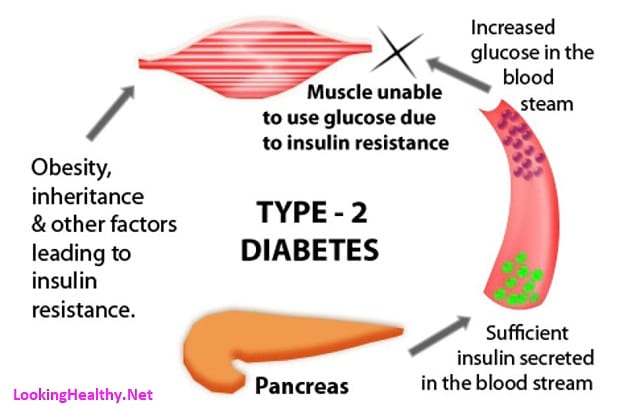
Diabetes Type 2 is a chronic condition that occurs when the body is unable to respond to insulin. Insulin is the hormone that is responsible for regulating the movement of glucose into your cells. There is no cure to this condition, but eating a well-balanced diet, exercising, and losing weight can help manage it. If dieting and exercising don’t help improve the symptoms, the patient may need insulin therapy and other diabetes medications such as metformin.
Uncontrolled type 2 diabetes can cause other health complications such as vision loss, fungal skin infection, kidney diseases, stroke, and heart diseases. If you have some of the following symptoms of pre-diabetes, you are likely to develop type 2 diabetes in the next five years, if you fail to seek treatment.
Early Warning Type 2 Diabetes Symptom:
1. Feeling Tired.

Type 2 diabetes impacts a person’s energy levels and may make you feel fatigued. The decline in energy levels occurs as a result of insufficient sugar moving from the bloodstream to the body cells. Your cells don’t get enough sugar to burn to get energy.
2. Frequent Urination.

When blood sugar is high, kidneys start filtering the excess sugar from the blood. The only way to remove the excess sugar is via urination. Frequent urination at night might be a warning sign that your body is starting to become insulin resistant.
This frequent urination to remove excess blood sugar makes your body lose water, causing dehydration. Increased thirst accompanying frequent urination are potential warning signs of type 2 diabetes.
3. Always Feeling Hungry.

The cells don’t get enough sugar for fuel. The cells are unable to absorb enough glucose from the bloodstream. The lack of enough glucose reaching the body cells triggers hunger. People with diabetes are more likely to overeat due to the increasing appetite as a result of insulin resistance.
4. Blurry Vision.

High blood sugar levels cause damage to the tiny blood vessels in the eye. Blurry vision may be one or both eyes. Diabetes-related blurry vision may come and go in its early stages. Failure to act on time, more blood vessels are damaged, which may cause permanent blindness.
5. Dark Patches On The Skin.

Dark skin patches on the neck, groin, or armpit, are signs that you are at a higher risk of diabetes. Dark skin patches related to diabetes are velvety and soft.
High blood sugars reduce blood flow to the skin, making it change its appearance, texture, and ability to heal. The damages on your skin cells affect your ability to sweat and may increase your sensitivity to pressure and temperature.
6. Slow Wound Healing.

A high level of blood sugar damages your blood vessels and nerves that impairs blood circulation with time. The reduced blood circulation makes small wounds and cuts take weeks or even months to heal.
The slow wound healing increases the risk of infections. These infections can spread to the body tissues and bones that are around the wound. Without medical intervention, these infections can become life-threatening and fatal.
For more details Click Here LookingHealthy
 Looking Healthy